Sustainability

Building a More Sustainable Future of Flight

Aurora’s expertise in electric propulsion, novel aircraft configurations, and lightweight structures is helping to make the future of flight more sustainable through improvements in fuel economy and cleaner sources of power.
Novel and Lightweight Structures

Aurora develops solutions that can reduce drag and weight and increase efficiency for tomorrow’s aircraft. Our innovations have included new vehicle configurations and structures, advanced lightweight materials, and more efficient flight control methods.

  • Structural design, analysis, and construction of ultra-lightweight structures.

  • Designing a full-scale X-plane to demonstrate active flow control as part of DARPA’s Control of Revolutionary Aircraft with Novel Effectors (CRANE) program.

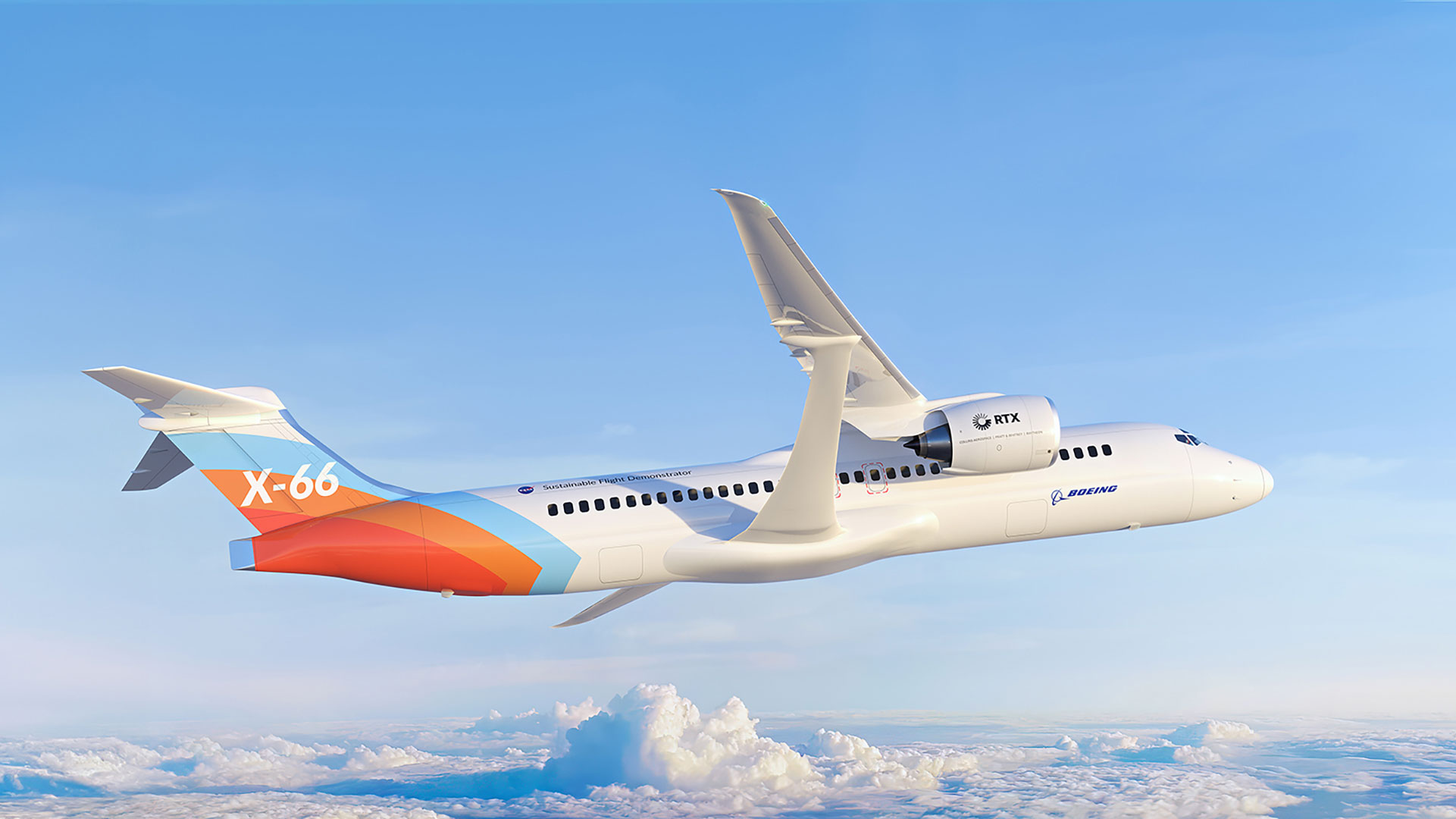
  • As a part of Boeing, developing a Transonic Truss-Braced Wing test asset for NASA’s Sustainable Flight Demonstrator program.

Electric and Hybrid-Electric Aircraft

We develop and fly electric vertical takeoff and landing (eVTOL) vehicles, conduct research & development in battery technology, and help our customers bring electric-powered vehicles to flight. Current programs include:
  • Supporting Wisk as they design, certify, and bring a self-flying eVTOL air taxi to market.

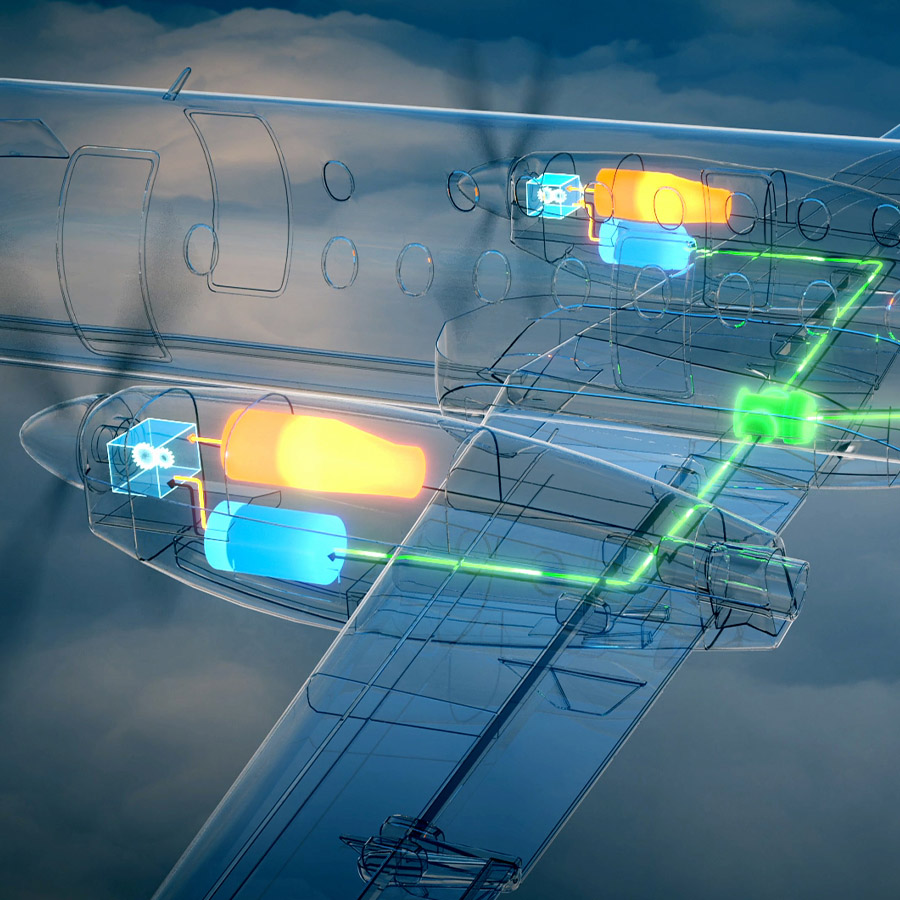
  • Providing GE Aerospace with engineering and design support as part of NASA’s Electrified Powertrain Flight Demonstrator (EPFD) program.
  • Engineering and producing eVTOL small UAS.

Image Credit: GE Aerospace

Cutting-Edge Propulsion Technologies

We are developing innovative solutions for aircraft propulsion and dual-fuel configurations including RNG, hydrogen, SAF, and batteries.


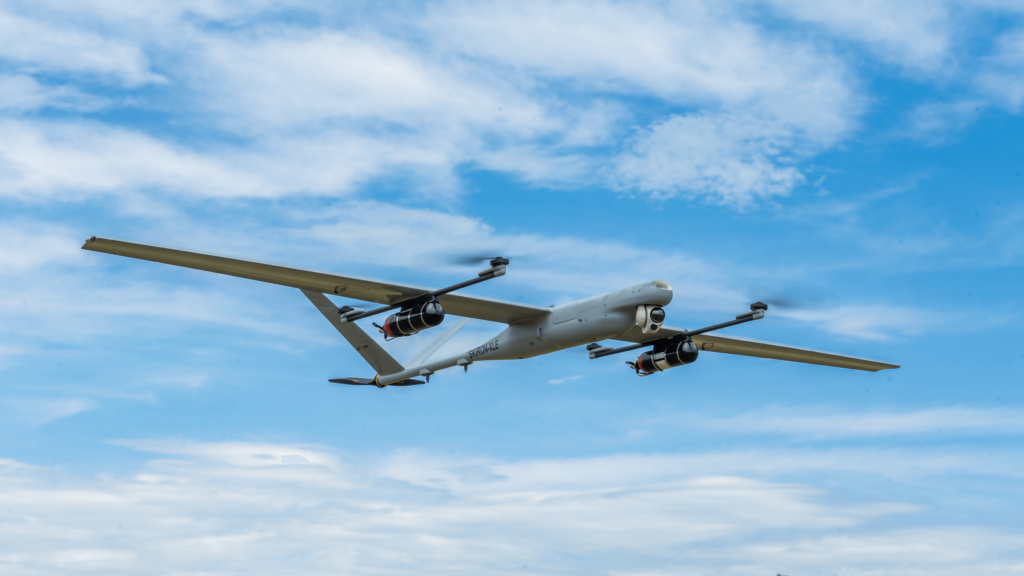
  • Developed SKIRON-XLE, a small UAS powered by a hydrogen fuel cell for long endurance flight.
  • Research and development programs include an emission-free, high-energy density, and high-efficiency energy storage and power generation solution.

  • Conducted a comprehensive evaluation to identify the most promising technologies to reduce energy consumption and emissions, as part of NASA’s Advanced Aircraft Concepts for Environmental Sustainability (AACES) 2050 initiative.

Interested in working on these and other innovative programs?

Join our team.